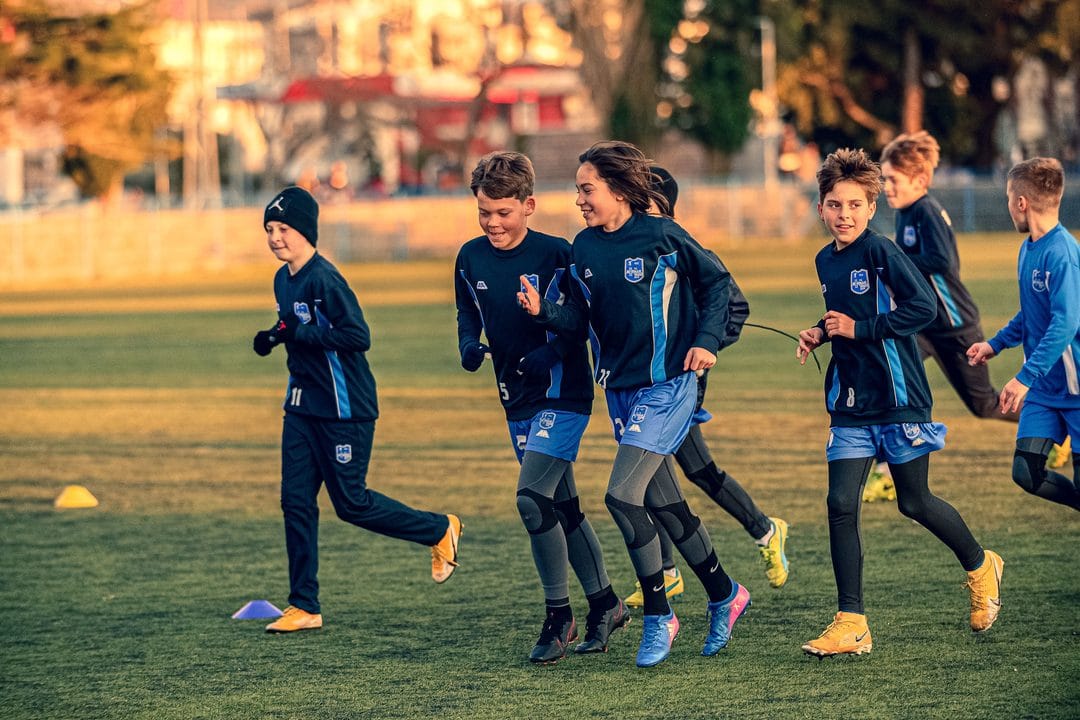
The flyer count in my kid's backpack hit four on a single Tuesday in the second week of August, and I didn't notice until laundry night, when I emptied out three weeks of crumpled paper and found soccer, dance, a coding club, and a flute-lessons trial all stapled to sign-up sheets with the same deadline: August 22nd. Every single one wanted a deposit before Labor Day. None of them had talked to each other, obviously, but together they did the thing every August does now — they turned a kitchen table into a triage unit for a nine-year-old's entire fall.
The two-week window everyone is competing for
Fall registration doesn't trickle in. It lands all at once, usually between the second week of August and the Tuesday after Labor Day, because every rec league, studio, and enrichment program is built around the same school calendar and the same fear of losing a roster spot. AYSO soccer registration in most regions closes by late August with fees typically running $120 to $180 a season. A local dance studio usually wants a non-refundable $35 registration fee plus monthly tuition starting around $65, and that climbs fast once you add a recital costume, often another $60 to $90 per costume, sometimes two if your kid dances in more than one number. Kumon and Sylvan Learning both run enrollment promotions in August specifically because they know parents are already in sign-up mode and won't stop to comparison-shop a tutoring center once October hits. The timing isn't a coincidence — it's a business model, and it works because nobody wants to be the parent who missed the window and has to explain to a six-year-old why her friends are all doing gymnastics and she isn't.
What that compressed window actually produces is a household making four or five financial and scheduling commitments in the same ten days it's also buying school shoes, mapping the new bus route, and stocking a lunch box for the first time in ten weeks. You end up signing a check for a fall sport before you've even seen a single week's homework load, which is a strange way to plan a season. Ask any parent who signed a kid up for club volleyball in the second week of August whether they'd have made the same call in October, once the actual Tuesday-night logistics were sitting in front of them instead of buried in a flyer, and a lot of them will tell you honestly that they'd have picked differently. The parent group chat doesn't help, either — someone posts a screenshot of a nearly-full roster at 9 p.m., and suddenly a decision that could have waited a week gets made in ninety seconds out of pure fear of missing the spot. That fear is doing more work in most August sign-ups than any actual conviction that a kid needs four structured activities this fall. Slow down by even three days and the picture usually looks different, because the calendar math that seemed fine in the abstract gets a lot more concrete once swim lessons, back-to-school night, and a dentist appointment all land in the same week.
What overscheduling actually costs
Run the math on a fairly ordinary fall lineup: soccer practice Tuesday and Thursday at 5:30, dance Monday and Wednesday at 4:15, and a Saturday-morning coding class that requires a 25-minute drive each way. A practice that says 5:30 to 6:30 on the schedule is really a 5:00 to 7:00 commitment once you count the drive there, the drive back, and the ten minutes spent finding parking near a field with no dedicated lot. That's five weekday commitments before dinner for one child, and most families running a schedule like that have more than one kid, which means the math doesn't add — it multiplies.
Family dinner isn't a nostalgic ideal worth protecting for its own sake — it's one of the few unstructured windows left where a kid tells you something that happened at school without being asked a direct question about it. Cut it to twice a week because three other nights end at 6:45 with a drive-through dinner eaten in the car between activities, and you lose more than a sit-down meal. You lose the fifteen minutes where the actual information about your kid's week tends to surface. That's the part no registration flyer ever mentions, and it's the part that's hardest to get back once a season is already underway.
The case for cutting one thing
Pick one activity this fall and skip it, even if your kid is talented at it, even if the season's already been announced in the group chat, even if you already bought the cleats. A packed five-activity fall doesn't produce a more well-rounded eight-year-old — it produces a tired one, and a tired eight-year-old is the same kid melting down over a math worksheet at 7 p.m. because there was no window left in the day to just be bored for twenty minutes. The activity that goes shouldn't be the one your kid loves most; it should be the one that exists mostly because everyone else's kid is doing it, or because you signed up in a rush during that same August window before you'd actually looked at the calendar.
Two activities per child, three at the outside for an older kid who genuinely wants the third, is a realistic ceiling for a household with more than one kid and two working parents. That's not a number pulled from a parenting book — it's the number that tends to leave at least two weeknights with nothing scheduled after 4 p.m., and those two open evenings are the actual predictor of whether a family eats dinner together more nights than not.
What we kept, what we cut
In our house this year, soccer stayed without a second thought — our son asked for it by name back in June, unprompted, three months before any flyer showed up (my husband was sure he'd lose interest by October; so far he's wrong). The coding club got cut, not because it's a bad program — it's a well-run one, and the instructor is genuinely good — but because it was the third Saturday-morning obligation on a calendar that already had swim lessons and a standing grandparent visit, and something had to give before the whole weekend turned into a shuttle route.
- Soccer stayed, no question — he'd asked for it by name back in June, months before any signup sheet existed
- Dance: kept at one class instead of two, dropping the competition-team track for a recreational class with no Saturday commitments
- Coding club: cut for this fall, revisit for the spring session if the interest is still there once the schedule has more room
- Piano: kept, because it happens at home and nobody has to get in a car for it
Piano is the one worth calling out on its own, because it's the activity that survives every cut in our house, and the reason is boring but important — nobody has to get in a car for it.
How to actually choose what stays
Before you sign anything this year, sit down with your actual weekly calendar, not a mental estimate of it, and block out drive time alongside the activity time itself. Do that math for every activity under consideration before committing to any of them, not after the season's already started and it's too late to back out without forfeiting a deposit.
- List every activity being considered, with real start and end times including travel, not the times printed on the flyer
- Mark which nights, if any, have zero commitments after 4 p.m. — if the answer is none, something needs to come off the list before you sign up for anything else
- Ask your kid which one activity they'd keep if they could only pick one; the answer is often more useful than any calendar math
- Register for the kept activities only after this exercise, not before — deposits are rarely as non-refundable as the fine print implies if you actually call and ask
When your kid is the one asking for everything
This gets harder when the overscheduling isn't coming from you at all but from a kid who genuinely wants soccer and dance and the coding club and can't yet grasp why that's three too many things for one household to run. My daughter's friend group this year is doing travel volleyball, and she's asked twice already whether she can join, even though she's never played volleyball in her life and the nearest practice facility is 35 minutes away. Saying no to that isn't about crushing enthusiasm — it's about being honest that enthusiasm in August for a sport she's never tried doesn't automatically survive contact with a 6 a.m. Saturday tournament call time in November. The better answer, most of the time, is a six-week beginner clinic instead of a full travel-team commitment, which tests the actual interest without locking a family into a fall built entirely around one kid's new idea.
None of this means competitive kids should be held back from the sports and programs that genuinely fit them. A kid who's been begging for club gymnastics for two years and finally ages into the right level should get the shot, deposit and driving and all. The problem was never ambition — it's the assumption, absorbed from a group chat and a stack of flyers landing in the same ten days, that every opportunity has to be said yes to the moment it appears or it's gone for good. Most of them aren't gone for good, though, and that's the part panic-registering in August tends to obscure: the spring session still exists, the beginner clinic still exists, and the activity that felt urgent in the third week of August rarely feels that urgent by October, once the actual Tuesday nights are visible on a calendar instead of imagined on a sign-up sheet.