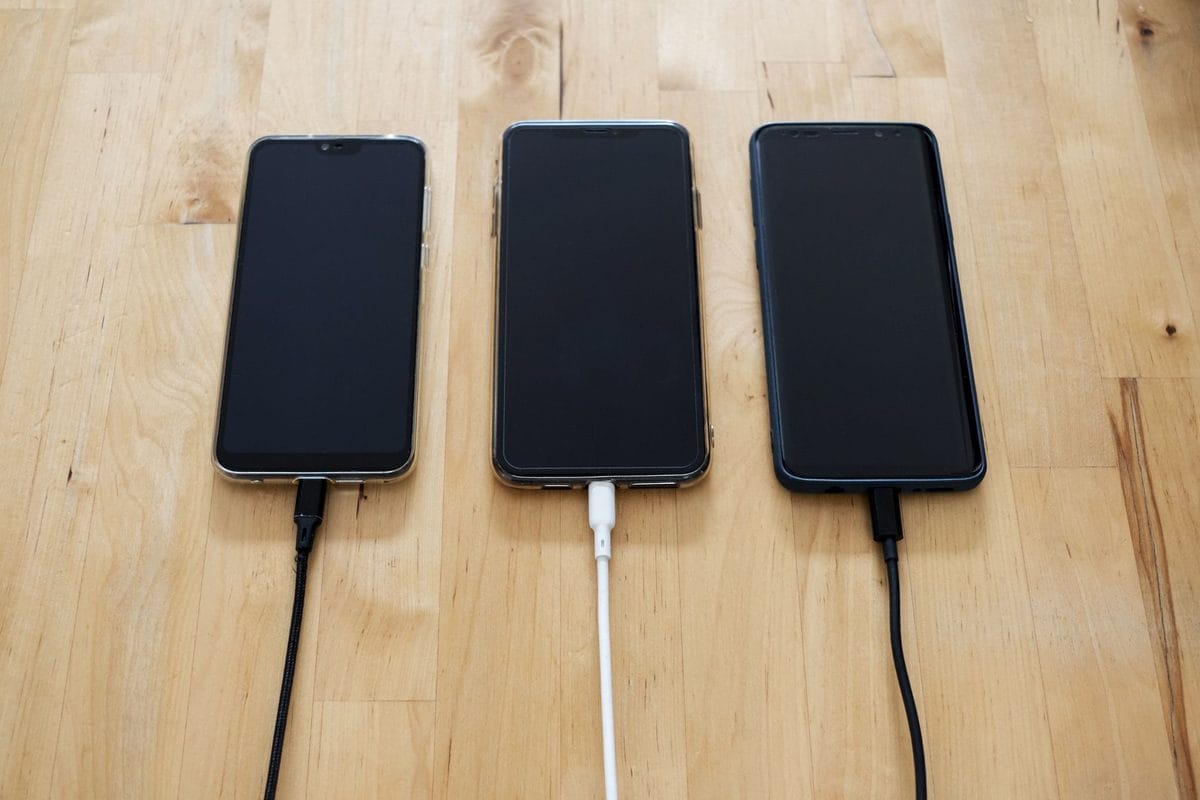
It's 9:40 on a Sunday night and you're making the last lap of the house: lights off, doors cracked, dishwasher running. In your eight-year-old's room the tablet is lying on the mattress, still plugged in, the cord pinned under the pillow where it ended up around bedtime, and the case feels warm when you pick it up. On the way back down the hall you step around the hoverboard that's been charging against the wall by the front door ever since the grandparents gave it to him, and you've never once wondered about it. None of this looks dangerous. It looks like every other Sunday.
That hallway is more or less the subject of this year's Fire Prevention Week, which runs October 4 to 10. The National Fire Protection Association (NFPA) has built the 2026 campaign around the theme "Charge Into Fire Safety: Safe Charging Is a Superpower," and it aims at the everyday charging habits that raise or lower the risk of lithium-ion battery fires. It's the second year in a row NFPA has picked a battery-related theme, so the topic isn't going away.
What actually sets a lithium-ion battery off
NFPA's own explanation is short: these batteries store a lot of energy in a small space, and when that energy is released in an uncontrolled way it produces heat that can turn parts inside the battery into flammable and toxic gases. The organization lists four routes to that point: physical damage (a battery that's crushed, punctured or soaked), electrical damage (overcharging, or a charger the battery was never designed for), extreme temperatures, and product defects. Read that list as a parent and every item already has a kid attached to it. A tablet that went down the stairs in its case, a cord borrowed from a cousin's house, a phone that rode home in a hot car all afternoon, a scooter knocked off its stand a few too many times. Most of those are ordinary childhood events, and a battery with any of them in its past can look perfectly fine from the outside.
Start with the surface: hard, flat, and not the mattress
The campaign's charging advice comes down to a handful of plain rules. Use the cord and charger that came with the device, or one approved by its manufacturer (NFPA's version is "Cheap charger? Don't chance it."). Charge on a hard, flat surface such as a desk, table or bare floor. Unplug once the battery is full. Bedding insulates, so a tablet buried under a comforter or a phone tucked beneath a pillow has nowhere to send its heat, and that is the single easiest habit to break in a kid's room.
So does that mean no overnight charging at all?
Not exactly, though the honest answer has a catch. None of NFPA's published tips bans charging a phone overnight; they cover the surface, the charger and the length of time, and "unplug when full" does technically mean a night on the cord is off-script. Few families will follow that to the letter. The two things you can fix in one evening are the surface and the cord, so fix those first. Then make the kitchen counter the overnight parking spot for every screen in the house. Tablets, phones, the handheld game console and the spare power bank all sleep there, in plain sight and off the bedding, and the 11 p.m. "I just need to check one thing" argument goes away as a bonus.
Know the warning signs too. NFPA says to stop using a device if it:
- feels very hot
- swells, which on a tablet can look like a screen lifting at the edge or a case that no longer closes flat
- smells strange, changes color, leaks or gives off smoke
- makes popping or hissing sounds, which is a good moment to stop everything and unplug it
A battery like that doesn't go in the kitchen trash or the recycling bin. NFPA says lithium-ion batteries and the devices that contain them can start fires during transport and at landfills and recyclers, and should go to a battery recycling or household hazardous waste drop-off instead. Many stores that sell lithium-ion batteries in volume take them back, and your local waste department can tell you where else to go. For a swollen or damaged one, call your local fire department or the manufacturer and ask how to handle it.
Hoverboards, scooters and the wish lists about to start
The big batteries are where the stakes rise. For e-bikes, e-scooters and hoverboards, the Consumer Product Safety Commission (CPSC) tells families to be present while they charge and never to charge them while sleeping or when nobody is home, because it has seen many of these fires and deaths happen at night with the family asleep. NFPA's advice for rideables and power tools is to charge them outdoors when you can, away from the building and out of direct sun, and never in a spot that blocks an exit. That makes the spot beside the front door the wrong one for the hoverboard in the opening scene, since it sits right where the way out is.
If outdoors isn't an option, because you live in an apartment or the garage is full of bikes, pick a hard floor away from bedding, curtains and the path to the door, and charge only while an adult is home and awake. Don't count on the rules catching up either. On June 24, 2026, CPSC proposed a federal safety standard for lithium-ion batteries in e-bikes, e-scooters, hoverboards and similar products. Its notice in the Federal Register cites 227 incidents between 2019 and 2023 that it says the standard could have prevented, 90 of them tied to 39 deaths and 181 injuries. As of this writing it's a proposal, with a deadline for written comments of August 24, 2026, so it isn't a rule in force, and the label on the box and the seller you buy from are still your only checks. Holiday wish lists are about to start filling up, and a heavily discounted board from a seller you've never heard of is where this goes wrong. Before any of that goes in a cart, CPSC's hoverboard checklist is short and specific:
- Look for the UL 2272 certification mark on the front of the packaging, plus a holographic certification label on the bottom of the board itself.
- Ignore a seller who says the battery or the charger is UL-listed. The standard covers the whole unit, and a certified part doesn't make a certified hoverboard.
- Skip kiosks, secondhand listings and online sellers who can't show proof of compliance, and treat a price far below the competition as a warning.
- Check cpsc.gov for recalls before the first charge, and stop using a recalled board immediately.
Skip the hand-me-down hoverboard. By CPSC's own dating, any board bought before January 29, 2016 can't be UL 2272 compliant, and a used one has a history you can't check. The agency also notes that even a compliant hoverboard can't be guaranteed never to overheat, which is the best argument for keeping the charging rules no matter what the box says.
The alarm in that hallway
Everything above lowers the odds of a fire, and none of it replaces a smoke alarm. NFPA says to put alarms inside every bedroom, outside each sleeping area and on every level of the home, basement included, and notes that you may have as little as two minutes to get out. Roughly three out of five fire deaths happen in homes with either no smoke alarms or no working smoke alarms. Press the test button on each one once a month, and replace the whole alarm ten years after its manufacture date, which is printed on it. If the 10-year mark has passed, a fresh battery won't fix it.
Give the monthly test to your kid. Pressing the button on the first of the month is a job a seven-year-old can do, and it teaches the sound at the same time. A single chirp every 30 or 60 seconds means a low battery. Three loud beeps in a row mean smoke or fire, so you get out, call 911 and stay out. Then draw a quick floor plan together and mark two ways out of every room, a door and a window, plus one meeting spot outside. Fire safety agencies generally suggest running the drill twice a year, once at night, and the night version is the one that tells you whether your kid actually wakes up.
NFPA also offers a free family activity sheet for this year's campaign, called "Family Power Check," on its Fire Prevention Week page. For tonight, though, the assignment is smaller: move the tablet to the kitchen counter and move the hoverboard away from the front door.