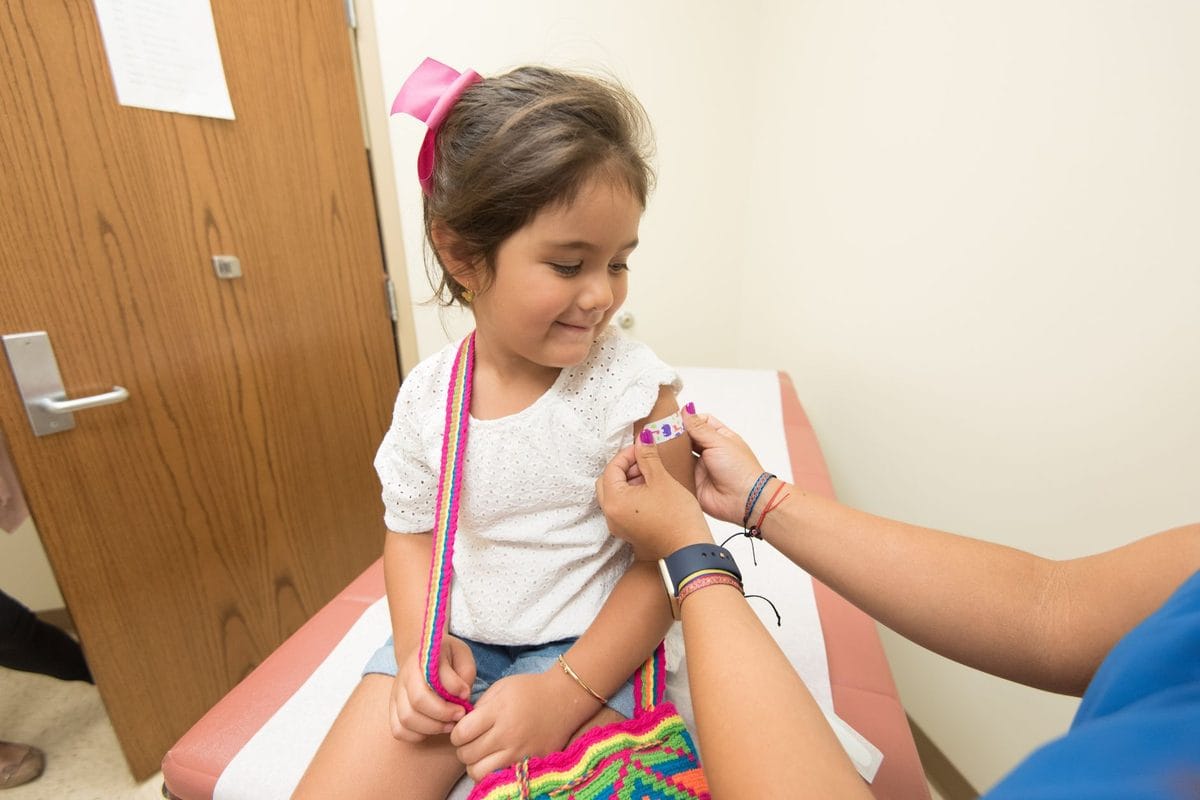
Why the flu shot conversation starts in October
The permission slip comes home in a backpack, the school nurse sends a reminder email, and somewhere between the lunchbox and the homework you realise nobody has booked the flu shot yet. This is the normal rhythm of autumn with kids. The good news is that the flu vaccine is one of the simplest things you can get done before the sniffling season starts, and a short appointment now beats a rushed one in January when every clinic is full.
Most parents already know the basic idea. What many do not know is how much the details vary: which form of the vaccine fits your child, whether one dose is enough, and what a normal reaction looks like so you do not panic over something harmless. Here is what to sort out before the appointment and what to expect afterwards.
What the CDC recommends for your child
The Centers for Disease Control and Prevention recommends an annual flu vaccine for everyone aged six months and older, with very few exceptions. The timing matters. Protection takes about two weeks to build after the shot, and the flu season in the United States often peaks in winter, so late October and November are a sensible window for most families.
Children under nine who are getting a flu vaccine for the first time need two doses, given at least four weeks apart. That is the rule that catches parents out. If your child had a flu shot in a previous season, one dose is usually enough. If you are not sure whether your child has ever had one, your pediatrician's record or the state immunization registry can answer that question before you go in.
Questions worth asking at the appointment
Bring your questions with you, because the visit is short and the nurse is busy. Ask whether your child needs one dose or two, based on their vaccine history, and whether the office has enough of the form you prefer. Ask whether other shots due this season can go in the same visit. Ask what the office does if your child has a fever that day, because a mild illness does not always mean the vaccine should be postponed, and the answer varies with the situation.
It also helps to ask about allergies and past reactions. Tell the staff if your child has ever had a serious reaction to a vaccine or to an ingredient in one. Mention asthma, a chronic lung condition, or a weakened immune system, because those change which form is recommended. A two-minute conversation at the desk saves you a confusing call later in the week.
Nasal spray or shot: which fits your child
There are two main ways to get the flu vaccine. The injected version is an inactivated vaccine, which contains no live virus, and it is recommended for almost every child over six months. The nasal spray is a live attenuated vaccine that is approved for healthy children and adults aged two to 49 who are not pregnant. Some children with asthma or certain other conditions are steered toward the shot instead, so the spray is not a universal choice.
Many parents prefer the spray because it avoids a needle, and that is a fair reason. Still, the right choice depends on your child's health history, not on the convenience of the form. If the pediatrician recommends the shot, it is not a sign that something is wrong. It is the form that the medical guidance points to for that child.
What a normal reaction looks like
Most children feel nothing more than a sore arm after the shot. Some get a low-grade fever, a bit of tiredness or a runny nose over the next day or two. These are the body's normal responses to the vaccine, and they usually fade on their own. A dose of children's acetaminophen or ibuprofen, given at the right weight, can make the afternoon easier for a child who is uncomfortable, but check with the pediatrician first, especially for infants.
A serious allergic reaction is rare, but it needs immediate care. Call emergency services if your child has trouble breathing, swelling of the face or throat, or a reaction that comes on quickly after leaving the clinic. Those signs are different from a sore arm and a tired afternoon, and parents should know the difference before the appointment, not during it.
The first week and the second dose
Keep a note of the date of each dose and the lot information the clinic gives you. The record is useful for school forms, for future visits and for the second dose if your child needs one. If the second dose is due, put it in your calendar at the same time you book the first, so it does not slip through the cracks during a busy month.
During the first week, give your child normal activity unless they feel unwell. There is no need to keep them out of school or sports for a shot, but a child with a fever should stay home until it has passed, as you would for any illness. If the arm stays red, swollen or painful for several days, mention it to the pediatrician rather than waiting for it to settle on its own.
Making the appointment easier for your child
Most children tolerate a flu shot better when the visit is planned around them, not around the clinic schedule. Pick a time when your child is rested and fed, and avoid the hour right before a school test or a sports game. Tell your child what will happen in plain words, without dwelling on the needle. Many clinics let a parent sit on the chair with a child, and holding a hand or letting them squeeze a finger helps more than a lecture about being brave. Bring a small toy or a book for the wait, because waiting rooms are where restless kids get tense. After the shot, a sticker or a short walk to the car gives the visit a clear, positive end.
Older children often prefer to have a say. Ask whether they would rather have the nasal spray or the shot, if both are appropriate for their health history, and let them choose the arm. Talking through the appointment the night before tends to reduce the dread more than a last-minute reassurance in the car. If your child has had a rough experience with needles before, tell the nurse at check-in so they can plan for it. Parents often forget that a calm adult in the room sets the tone for the whole visit, so take a breath before you walk in. A short, honest sentence like "this will pinch for a second" works better than promising that it will not hurt at all.
When to call the pediatrician
Call the pediatrician if a fever lasts more than two or three days, if your child seems unusually sleepy or hard to wake, or if the arm soreness gets worse instead of better. Call if your child develops hives or an itchy rash over the following day. These are not common, but they are the signs the office wants to hear about, and an early call is always the right move.
Flu season is long, and a vaccine is only one of the tools that help. Hand washing, staying home when a child is sick and keeping school lunches and water bottles separate from siblings' all matter as much as the shot itself. Book the appointment this week, ask the questions above and keep the record. Then the rest of the season can go to school plays and parent-teacher nights instead.