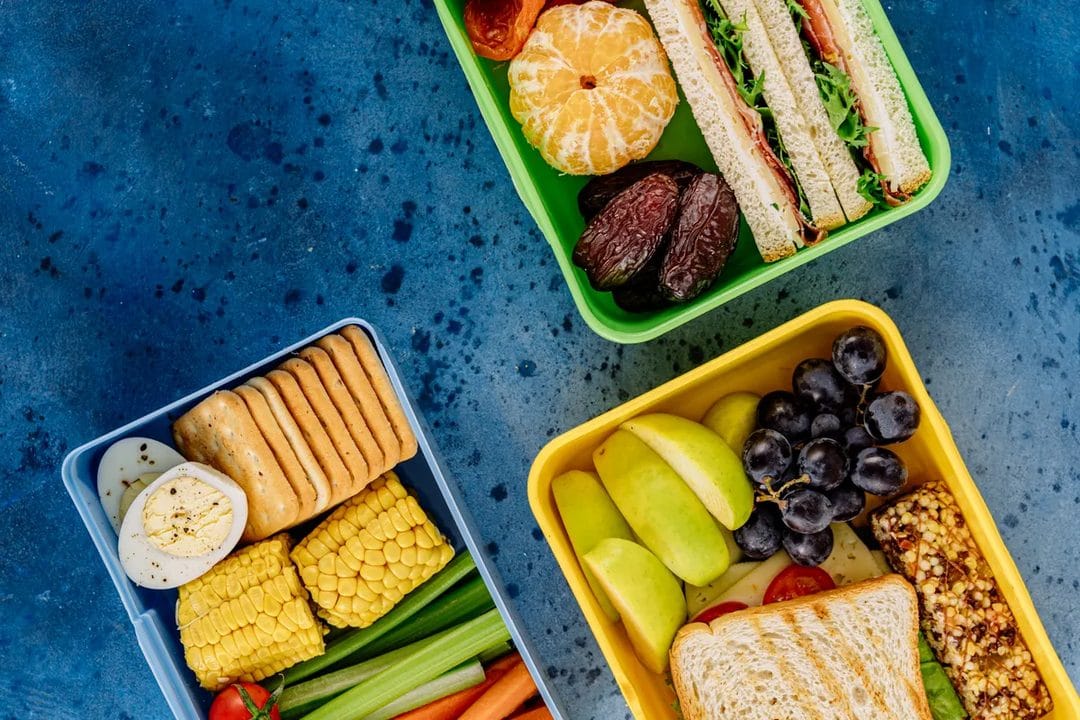
It's 9:40 on a Sunday night in mid-August, and I'm standing over a cutting board with a dinosaur-shaped cookie cutter, turning a turkey sandwich into a stegosaurus for a five-year-old who will trade the whole thing for someone else's goldfish crackers by 11:45 the next morning. I know this because it happened last year, and the year before that, and I did it anyway, because somewhere between Pinterest and the class parent group chat, packing my daughter's lunch stopped being about feeding her and started being about proving something.
The bento box became a performance review
Somewhere in the last decade, the school lunch box turned into a stage. Scroll any parenting account in the second week of August and you'll find rows of silicone bento compartments filled with rainbow fruit skewers, sandwich cutouts, and little notes tucked under a napkin folded into a triangle. PlanetBox sells a stainless steel version for $42.95 that shows up in half of them. Bentgo's classic tray runs $17.99 and has become so common in elementary school cafeterias that some teachers can name the brand on sight without looking twice. None of this is inherently wrong, and a nicely organized lunch is a genuinely nice thing to receive. But the sheer volume of it has quietly reset what "enough" looks like for parents who are already running on fumes from a full workday and a school year that started nine days ago.
Here's the part nobody says out loud: the kid dumping an artfully arranged tray into the trash and eating only the crackers is not a rare event. It's closer to the norm. Ask any elementary school cafeteria monitor what actually gets eaten and you'll hear roughly the same answer every time — the fruit goes first if it's already cut, the sandwich goes second if it hasn't gone soggy, and anything shaped like an animal usually comes home untouched, because by 11:45 nobody at that lunch table cares what a strawberry looks like.
What actually gets eaten at school
Skip the cutting board entirely. Buy whatever container closes properly and doesn't leak inside a backpack — a $6 rectangular box from Target's Up&Up line does that exact job, and so does the free one already sitting in your cabinet from last year's birthday party goodie bag. Kids eat more from a boring lunch packed in four minutes than from an elaborate one packed in twenty, mostly because the boring version has fewer components that can go stale, warm, or squished between first period and lunch. Send the same five things on rotation instead of inventing something new every night: a turkey and cheese roll-up, apple slices with the skin left on (peeling takes time nobody has at 7 a.m.), a bag of pretzels, a string cheese, and water instead of a juice pouch. Repetition isn't laziness here — it's the single biggest predictor of whether a kid actually eats lunch instead of trading it away or tossing it whole. A rotating five-item list also means you stop standing in front of the pantry every night trying to invent a new theme, which is the actual source of most of the dread.
The few things worth spending on — not an exhaustive list
- A leak-proof container is the one place spending more is worth it, because a $6 box that pops open in a backpack ruins a folder, a library book, and the whole morning in one go
- Reusable silicone bags (Stasher runs about $12 each) if your kid's school has gone strict on single-use plastic
- A wide-mouth thermos for the kids who actually eat warm food — soup, noodles, leftover rice — and ignore everything else in the lunch aisle
- Skip the branded bento trays entirely for most kids under eight; they don't care what the container looks like, only that the pretzels aren't touching the apple slices
A laminated lunch chart taped inside a cabinet door does more for a Tuesday morning than any $40 tray ever will.
The math nobody runs
A twenty-minute lunch-pack, five nights a week, across roughly forty weeks of school, comes out to about sixty-six hours a year — nearly three full days spent on presentation that a seven-year-old dismantles in four minutes before the cafeteria bell rings. Compare that to a five-minute pack using the same rotating list, and the yearly total drops to around sixteen hours, freeing up fifty hours for literally anything else, including sleep. That math doesn't show up in a Pinterest caption, but it's the number that actually matters once the school year is nine months long and everyone in the house is running on fumes by the second week of October. There's a quieter benefit too: with grocery prices sitting higher than they were two years back, a fixed five-item rotation means one predictable weekly list instead of restocking specialty ingredients for a new theme every few days. Buying the same turkey, cheese, and fruit on repeat is cheaper than chasing a new bento idea from a different account each week, and it means fewer trips to a second store for one ingredient you'll use once.
None of this means the kids who genuinely love making elaborate lunches with a parent should stop doing it. Some seven-year-olds enjoy picking out shapes on a quiet Sunday afternoon, and if that's a bonding ritual in your house rather than a chore squeezed in after bedtime, keep it exactly as it is. The problem isn't bento boxes themselves — it's the assumption, quietly absorbed from a school hallway full of them, that a plain sandwich in a ziplock bag means you're doing less for your kid.
When your kid is the one asking for the fancy box
This gets harder the moment your own kid comes home asking for the same tray a friend has, because now it isn't about your Sunday night — it's about theirs. Buy it if the budget allows it and the ask is genuine, not because a $30 tray will make lunch magically get eaten, but because being the only kid without one is its own small daily friction that isn't worth fighting over $30. The trick is decoupling the container from the contents: the fancy tray can absolutely hold the same boring turkey roll-up and pretzels as the plain box did. Nobody said the rotation has to live in ugly plastic forever.
What's worth pushing back on is the note-writing arms race that sometimes comes bundled with it — laminated jokes, daily affirmations, a different sticker every morning. A note once a week, on a Friday or before a test, lands with far more weight than one every single day, and it takes the pressure off a habit that was never sustainable past September anyway. Say yes to the container your kid wants. Say no to turning a Tuesday lunch into a scrapbook project.
Setting the rotation up before the first full week
- Pick five lunch combinations this weekend and write them on an index card taped inside the pantry door
- Buy containers in bulk now, while Target and Walmart still have back-to-school stock, instead of restocking one at a time once the shelves thin out in October
- Tell your kid the plan out loud — "we're doing the same five lunches this year" — because surprise is what triggers complaints at the table, not repetition itself
- Keep one wildcard slot for Fridays; a slightly special lunch once a week costs almost nothing and gives the whole week a shape
My daughter's teacher mentioned last spring that the kids who eat the most at lunch are, without exception, the ones with the least complicated trays. That's not a controlled study — it's one teacher's read on a decade in an elementary school cafeteria — but it matches what I've watched happen at my own kitchen counter for the past three years. The dinosaur-shaped sandwich looked better in the photo. The plain turkey roll-up is the one that actually came home empty.