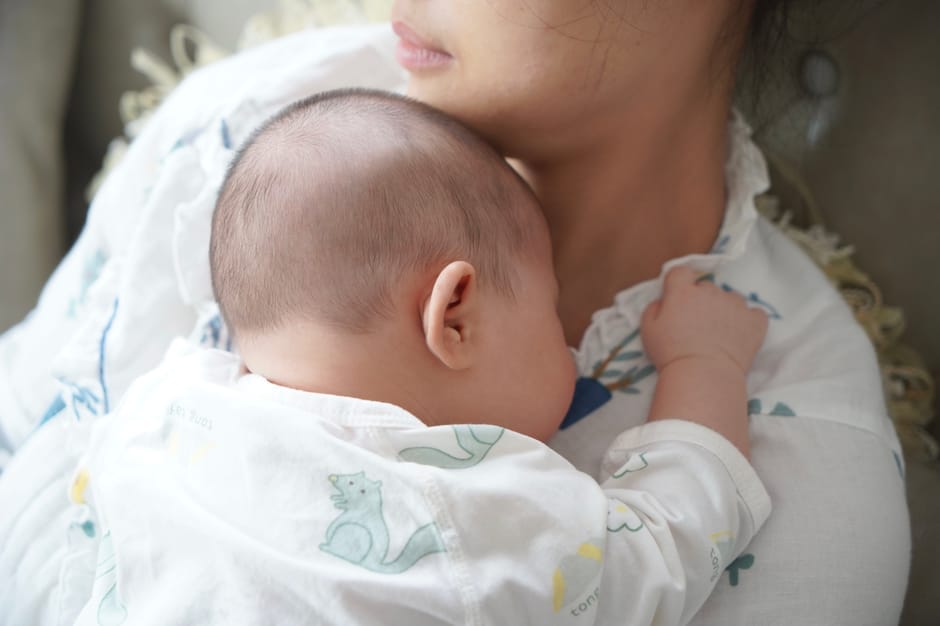
'Sleep when the baby sleeps' is the most useless advice given to new mothers. It ignores the reality of postpartum sleep — fragmented, hormonally disrupted, often physically uncomfortable, and frequently impossible to access during baby's sleep windows. The advice persists because it sounds reasonable, not because it works.
Why the advice fails in practice
Newborn naps are unpredictable in timing and duration. Adult bodies need 20+ minutes to enter restorative sleep. A 30-minute nap window with 10 minutes of unwinding leaves 20 minutes of light sleep — restorative for a baby, almost useless for an adult.
Postpartum hormones disrupt sleep architecture. Prolactin (in breastfeeding mothers) interferes with deep sleep. Cortisol elevations from baby crying make it hard to fall asleep even when exhausted.
Adult sleep debt requires consolidated longer sleep — 3-4 hour minimum stretches for meaningful recovery. Baby sleep cycles in 2-4 hours regardless. The biology of recovery and the biology of newborn care are misaligned.
What actually helps with new-mother sleep deprivation
Outsource one feeding
Expressed milk or formula given by partner overnight gives one consolidated 4-6 hour stretch. Even one night a week makes a measurable difference.
Sleep in shifts
One parent on 9pm-2am, other on 2am-7am. Each gets a 4-5 hour block. Works best with formula or stored breastmilk for the 'off' parent's shift.
Nap during baby's longest predictable sleep
Most babies have one longer stretch in early evening or late morning. Protect that for your own deeper rest.
Lower standards for everything else
House will be messy. Meals will be simple. Showering may be every other day. None of this matters for survival; sleep does.
When to seek help
If sleep deprivation has lasted 8+ weeks with no improvement and you're seeing signs of postnatal depression (persistent low mood, intrusive thoughts, inability to enjoy baby), this is medical and treatable. GP appointment; mention specifically.
'Sleep when the baby sleeps' was never going to work for most women. The interventions that do work involve another adult — partner, family, or paid help. Asking for that help isn't weakness; it's survival logistics.