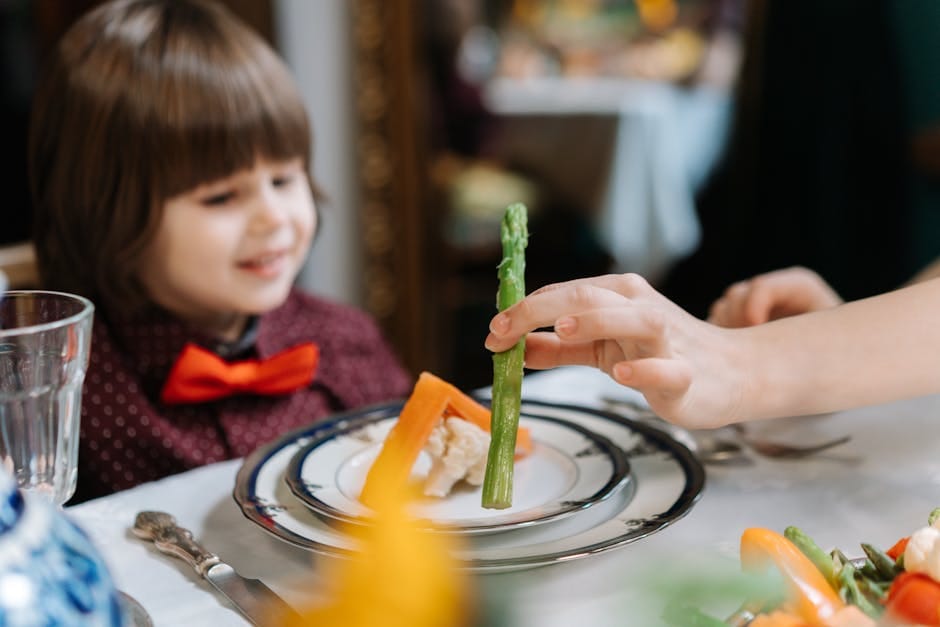
Most picky eating in toddlers and young children is developmental — they're asserting autonomy, going through neophobic phases, or imitating peer preferences. It usually resolves with patience and repeated low-pressure exposure. A small minority is something else and benefits from professional input.
What normal picky eating looks like
Eats a limited but adequate variety (15-30 foods). Some food groups represented. May refuse new foods initially but tries them after multiple exposures (often 10-15 exposures). Eats reasonably well at school or grandparents' even if difficult at home.
Resolves substantially by age 6-8 in most children. Patience-based approaches (Ellyn Satter's Division of Responsibility) work for most: parent decides what's served and when; child decides whether and how much to eat.
When it might be ARFID
Avoidant/Restrictive Food Intake Disorder. Severe restriction (5-10 foods only, or only specific brands/preparations). Distress when expected to try new foods (not just mild reluctance). Significant weight or growth concerns. Avoidance based on sensory features (texture, smell, colour) rather than taste preference.
More common in autistic and ADHD children but can occur in neurotypical children. Distinct from 'fussy eating' in severity and persistence. Requires specialist input (paediatric dietitian + sometimes feeding therapist).
When sensory processing is the underlying issue
Strong reactions to textures (gagging at mashed potato but fine with chips, or vice versa). Reactions to mixed textures (yoghurt with bits, vegetables in pasta sauce). Often co-occurs with sensitivity to clothing textures, loud noises, bright lights. Occupational therapy can help.
Where to get help in the UK
Initial concerns: speak to health visitor or GP for referral. NHS paediatric dietitians for nutritional assessment. Specialist feeding therapists (private route is faster, around £100-150/session). The Feeding Therapy UK directory lists certified specialists.
Most picky eating is normal and resolves. The minority that doesn't deserves specialist attention rather than years of family stress. Trust your instinct if something feels different from typical picky eating.